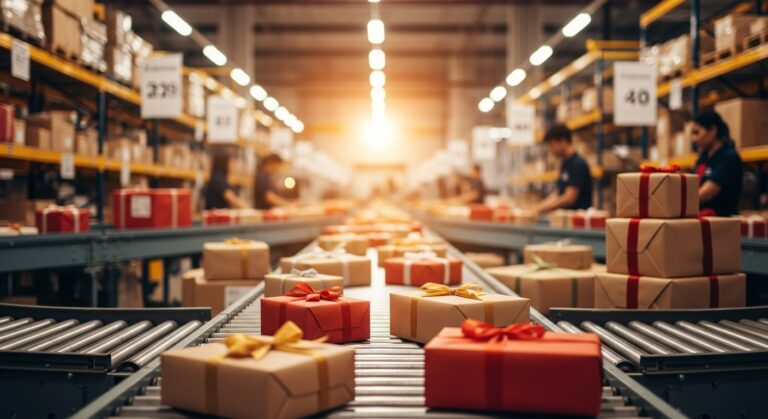

Every year, Philippine businesses brace themselves for the same holiday pressure: rising demand, unpredictable shipping timelines, and the constant fear of running out of stock at the worst possible time. If you have ever scrambled to secure last-minute shipments, paid high rates for air freight, or watched customers walk away because your supplies didn’t arrive on time, you’re not alone. The holiday importing Philippines landscape becomes more challenging each year, and many SMEs still rely on outdated planning and incomplete information that lead to costly mistakes.
A survey by the National Retail Federation shows that over 60 percent of holiday shoppers in the United States begin purchasing by early November, and the Philippine market mirrors this behavior with similar early buying patterns observed in e-commerce and retail platforms. This means demand spikes earlier than most businesses anticipate. When combined with port congestion, tight container availability, and stricter customs timelines, the Christmas supply chain PH becomes a perfect storm for stockouts.
To help you prepare long before peak season arrives, this guide breaks down the most critical steps for stocking inventory in December, forecasting demand accurately, and choosing the right freight forwarding peak season strategy. More importantly, it explains how BPS keeps your products moving so you never miss out on holiday sales.
Why Stockouts Happen During the Holiday Rush
Stockouts are not caused by a single problem. They are the result of multiple supply chain weaknesses happening all at once. Understanding these pressure points is the first step to avoiding them.
1. Late Booking of Shipments
Global shipping data shows that container demand increases significantly from September to December due to Christmas shipments and the preparation for Lunar New Year production cycles. Businesses that fail to book space early often end up with limited options, higher rates, or delayed departure dates.
2. Longer Customs Processing Times
During peak season, customs offices experience higher cargo volumes. Even minor documentation errors can cause longer processing delays. A shipment that normally clears in two to three days may take up to a week depending on volume and completeness of paperwork.
3. Supply Shortages From Overseas Manufacturers
Factories in China, Vietnam, and other major production hubs often face overwhelming order volumes in the last quarter of the year. Without diversified suppliers or early purchase orders, importers risk falling behind in production queues.
4. Port Congestion in Major Hubs
International shipping analysts reported that global port congestion rates tend to increase toward Q4, especially in East and Southeast Asia. Congestion affects container unloading times, vessel schedules, and connecting shipments.
5. Poor Forecasting or Overreliance on Historical Trends
Holiday demand shifts from year to year. Depending solely on last year’s numbers can leave businesses unprepared for the current market.
Understanding these factors helps you stay proactive rather than reactive.
Forecasting Holiday Demand With Accuracy
Holiday demand forecasting is one of the strongest defenses against stockouts. Businesses that track the right indicators often outperform competitors that rely on guesswork.
Here are practical steps to forecast demand more accurately:
Study Your Multi-Year Trends
Look at your last two or three holiday seasons and compare the data. Identify patterns in customer buying behavior, peak dates, and top-selling products.
Monitor Industry Reports
Market insights published by Statista, Alibaba B2B, and e-commerce performance trackers can help you identify global and regional product trends. These give early indicators on what consumers will prioritize.
Watch Your Pre-Holiday Engagement Metrics
Website searches, add-to-cart rates, inquiries, and social media comments are reliable early predictors of product demand.
Prepare Forecast Ranges Instead of Exact Numbers
Forecasting with a minimum, average, and upper limit helps your inventory planning adapt to unexpected increases in demand.
With proper forecasting, you can create purchase orders earlier and plan freight needs with more accuracy.
Sea Freight vs Air Freight: What You Need to Know for December
Choosing the right transport mode is crucial in managing the Christmas supply chain PH. Each option carries different benefits during peak season.
Sea Freight for Cost Efficient Bulk Shipments
Sea freight is the most economical choice for large shipments. Booking early is essential because container slots fill quickly from October to December.
Typical timeline:
• Regular season: 20 to 35 days
• Peak season: 25 to 45 days depending on port congestion and customs traffic
Sea freight works best for:
• High volume shipments
• Non urgent items
• Inventory you stocked early
Air Freight for Last Minute or High Value Items
Air freight is significantly faster but more expensive. Rates also increase during December due to demand.
Typical timeline:
• Regular season: 5 to 10 days
• Peak season: 7 to 14 days
Air freight works best for:
• Stock replenishment
• Urgent customer demands
• High value inventory with low weight
Most successful importers use a hybrid approach during peak season. Planning early allows you to maximize sea freight while reserving air freight for urgent restocks.
The Peak Season Checklist Every Importer Needs
To avoid stockouts, delays, and unexpected expenses, use this practical checklist before the holiday rush.
1. Finalize Purchase Orders Early
Submit purchase orders no later than September or October to ensure production and shipping space.
2. Confirm Supplier Production Timelines
Ask for realistic production timelines and buffer periods. Get this in writing whenever possible.
3. Review Documentation
Ensure commercial invoices, packing lists, and HS codes match your shipments. Documentation errors are one of the leading causes of customs delays.
4. Plan Multi Carrier Options
Don’t rely on a single shipping line or forwarder, especially during peak season.
5. Prepare Warehousing or Temporary Storage
Warehouses fill up quickly during December. Reserve space early to avoid last minute costs.
6. Track Shipments Actively
Real time monitoring helps you anticipate arrival schedules and plan replenishments.
How BPS Keeps Your Holiday Inventory Moving
BPS gives Philippine importers the advantage of complete logistics support from origin to final delivery. This reduces the risk of stockouts and delays during the busiest season of the year.
Faster Customs Clearance
BPS manages documentation, HS code validation, and customs coordination to prevent clearance bottlenecks.
Smarter Shipment Planning
We advise businesses on the best mix of sea and air freight for December, helping you maximize savings without risking delays.
Reliable Warehouse and Last Mile Solutions
BPS ensures your goods are stored securely and delivered to your business on time.
Transparent Communication
We provide updates from departure to arrival so you always know where your cargo is.
Flexible Support for Growing Demand
As your holiday sales increase, BPS adjusts your logistics plan to match your inventory needs.
With BPS handling your freight forwarding peak season operations, you can focus on selling, marketing, and meeting customer demand without the stress.
The Time to Prepare Is Now
The Christmas supply chain PH becomes more unpredictable every year. Businesses that plan ahead, diversify suppliers, and work with a dependable logistics partner are the ones that avoid stockouts and maximize fourth quarter profits.
If you want a holiday season without delays, last minute costs, or empty shelves, now is the right time to prepare.
Contact us today via Viber or WhatsApp at 09176384274.